
Bed bugs are small a nocturnal insects that feed on human blood. Many people wonder if these pests can cause serious illness or transmit diseases, but their bites are similar to those of mosquitoes and fleas.
It’s important to recognize the characteristics and symptoms of bed bug bites and seek immediate treatment to prevent irritation and potential infection.
We are providing this information to help you distinguish bed bug bites from other insect bites and take the necessary steps to treat them effectively on your own.
Understanding how to manage and prevent bite of bed bug is essential for reducing your concerns and stress when dealing with these pests.
IDENTIFYING BED BUGS
Recognizing bed bugs and their bites is the initial step in protecting yourself from bed bug bites. Familiarity with the appearance of bed bugs will also help in identifying their bite marks and signs:
1. APPEARANCE
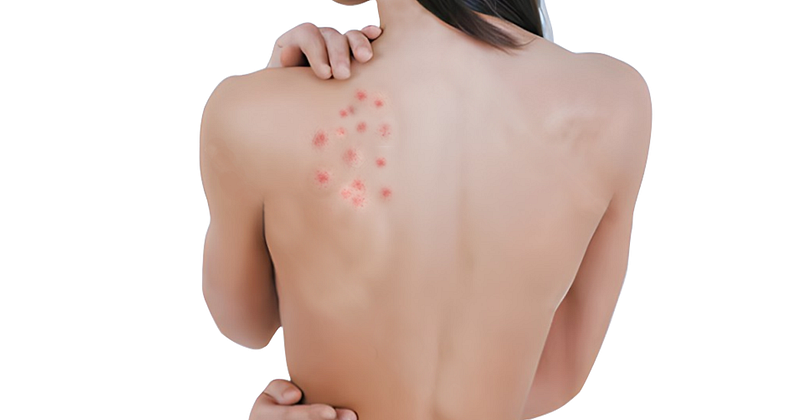
Bite marks
Bed bug bites commonly appear as small and red itchy welts that may be slightly raised and resemble mosquito bites.
Signs
The bites often occur in a linear or clustered pattern, typically corresponding to breakfast, lunch, and dinner bites, indicating the bed bugs’ feeding habits. However, they can also be numerous and scattered.
2. TIME OF OCCURRENCE
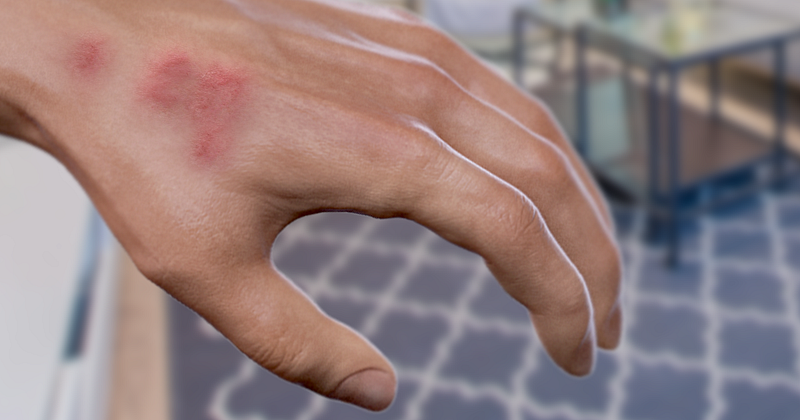
It is important to be aware of how long it takes for a bed bug bite to become noticeable. If you observe bite marks on your skin, it is important to monitor them periodically to determine if they are caused by bed bugs.
Time Delay
The time it takes for a bed bug bite to become noticeable can vary, ranging from several hours to a few days. This depends on an individual’s sensitivity to the bed bug’s saliva.
3. INDICATIONS
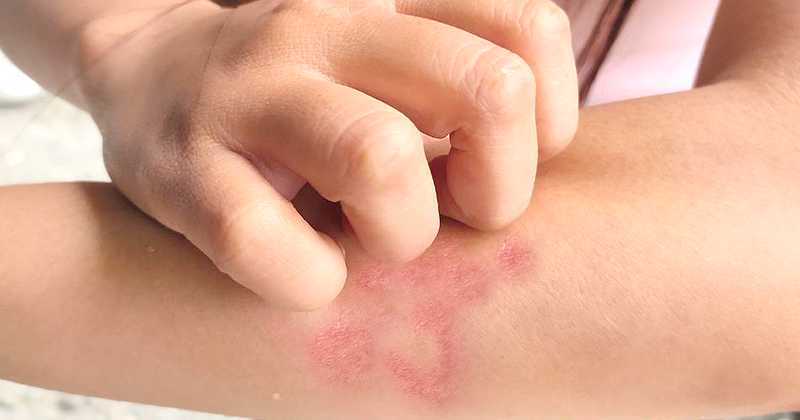
These are the symptoms of being bitten by a bed bug. These symptoms manifest when rashes and blisters develop.
Discomfort and Irritation
Intense itching is a common symptom of a bed bug bite, resulting from an allergic reaction to proteins in the bed bug’s saliva. Persistent scratching can lead to severe irritation and potential infection.
Redness and Swelling
Typical redness and swelling are usual outcomes of a bed bug bite. In some cases, the area surrounding the bite may become swollen.
Secondary Infections
Continuous scratching leading to broken skin can result in bacterial infections. Signs of infection include increased redness, warmth, and the presence of pus, a thick yellowish or greenish fluid produced in infected tissues.
Severe Reactions
In rare cases, individuals may experience severe allergic reactions to bed bug bites, such as welts, breathing difficulties, or Anaphylaxis. Anaphylaxis is a severe allergic reaction requiring immediate medical attention.
DIAGNOSIS
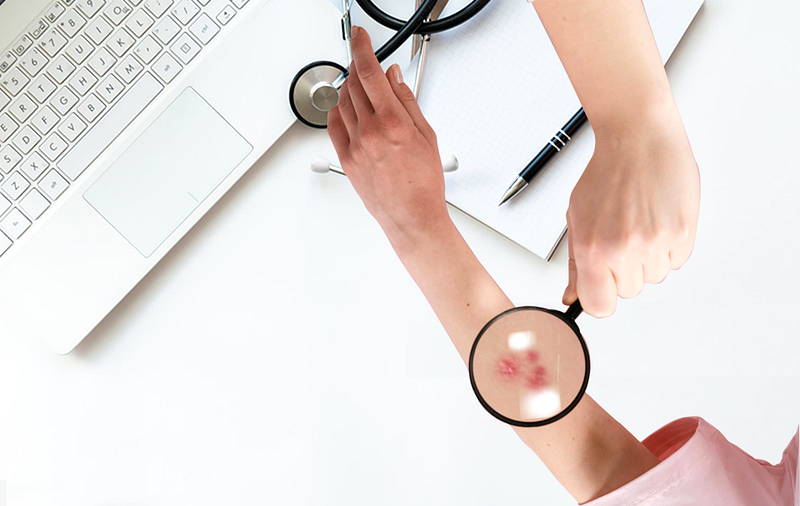
Identifying and treating bed bug bites involves seeking a physical examination to determine if the bites are from bed bugs or another source, ensuring appropriate treatment.
Physical Examination
Healthcare professionals can often identify bed bug bites based on their appearance and specific grouping patterns. They will also consider the patient’s account, recent travel history, or exposure to bed bugs.
Identifying Bed Bugs
Confirmation of bed bug infestation can be made by inspecting the bites at home and identifying signs such as fecal stains and shed skin.
Differentiating Diagnoses
It’s important to differentiate between other insect bites and bed bug bites, as they are often mistaken for skin conditions. Mosquitoes, fleas, and dermatitis bites require careful consideration.
TREATMENT
Treating bed bug bites can be cost-effective and straightforward. It’s possible to handle this yourself, and you may have some of the necessary items or medications at home . As a result, there’s no requirement to venture out and search for treatment for bed bug bites.
1. NATURAL TREATMENTS
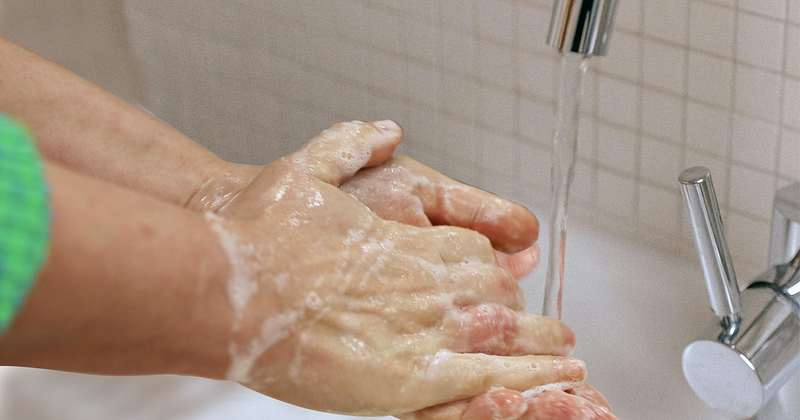
Treating bed bug bites at home involves using natural methods and medications that can be found around the house. This is a cost-effective way to address the issue.
Cleansing the Affected Area
To prevent infection, it’s important to cleanse the affected area using soap and water.
Application of Anti-itch Ointments
Ointments containing hydrocortisone or calamine, such as Aveeno Anti-itch Concentrated Lotion and CeraVe Itch Relief Moisturizing Lotion, can help alleviate itchiness. Both of these products contain calamine.
Utilizing a Cold Compress
Applying a cold compress can help reduce swelling and discomfort.
2. MEDICAL TREATMENT
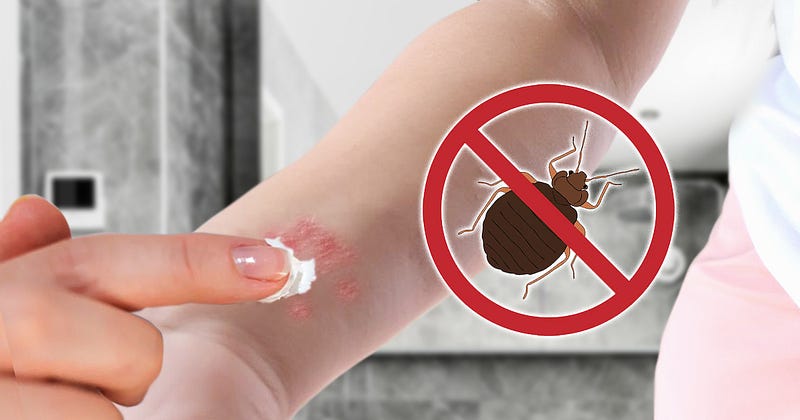
Getting medical treatment for bed bug bites can be expensive, as it requires purchasing creams and tablets prescribed by a healthcare professional. These treatments are essential to address irritations, prevent itchiness, and manage any potential infections.
Antihistamines
Oral antihistamines are recommended to manage itching and allergic reactions effectively.
Antibiotics
If secondary infections develop, antibiotics are necessary to stop the spread of bacteria.
Topical Steroids
In severe cases, a stronger corticosteroid cream may be prescribed by a doctor to address significant skin reactions. Corticosteroid cream is crucial for treating inflammatory skin conditions.
3. PREVENTIVE MEASURES

To prevent bed bug bites from worsening, it’s important to take specific precautions.
Avoid Scratching
To minimize the risk of infection, it’s crucial to keep the affected area clean and refrain from scratching the bitten area.
Consult a Healthcare Professional
If allergic reactions worsen, seeking medical advice is essential.
BED BUG PREVENTION AND CONTROL
The prevention and control of bed bugs involve various methods to prevent, eliminate and treat bed bug infestations and bites. Natural or chemical treatments, as well as do-it-yourself methods, can all be effective as long as they are applied properly to avoid harming anyone or anything.
By following these guidelines, managing and addressing bed bug issues can be made easier.
1. Detection and Inspection
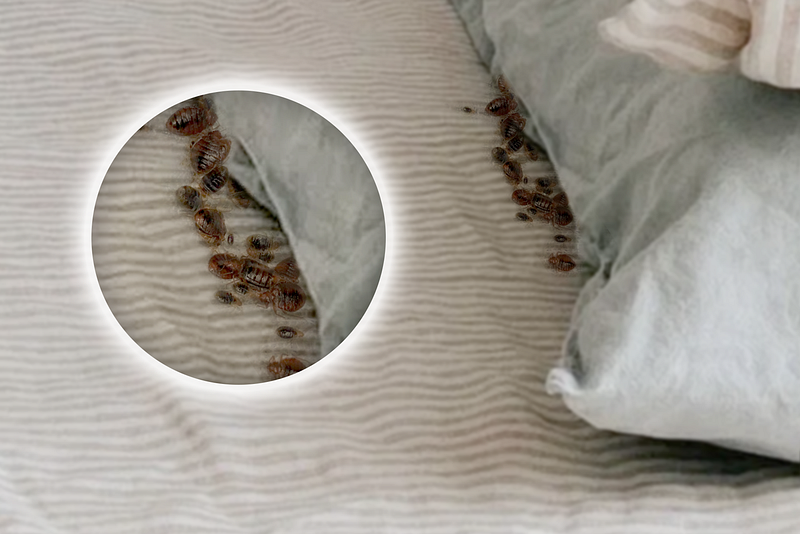
Regularly inspect your sleeping area for signs of bed bugs. The presence of blood stains and dark spots on bedding indicates a potential infestation.
2. Treatment of Infestations
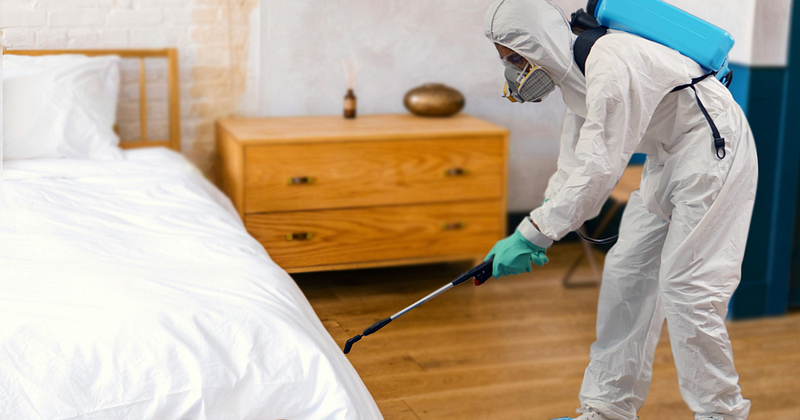
Professional Pest Control
Engage the services of a bed bug expert to thoroughly eradicate bed bugs and achieve effective results.
DIY Methods
Undertake methods such as washing and drying bedding, linens, pillowcases, and clothes at high temperatures, as well as steaming. Additionally, vacuuming is an effective way to reach hidden surfaces and eliminate bugs, unlike other cleaning materials.
Travel Precautions
Before entering hotel rooms, inspect the area for signs of infestation. Use protective covers for personal belongings and keep items elevated from the floor.
CONCLUSION
In conclusion, while bed bug bites are generally not severe, they can still cause significant discomfort and potentially lead to serious issues if not properly addressed. Understanding the symptoms, conducting examinations, and utilizing treatment methods can help individuals effectively manage bed bug encounters and take proactive measures to prevent infestations.
Upon identifying a bed bug problem, taking immediate action and seeking professional advice can effectively manage the issue. Furthermore, research on bed bugs indicates that they do not cause acute illness and are not capable of transmitting diseases as they are not disease-carrying pests.
Comments
Post a Comment